
3 Common Underfloor Heating Installation Mistakes That Could Cost You Money
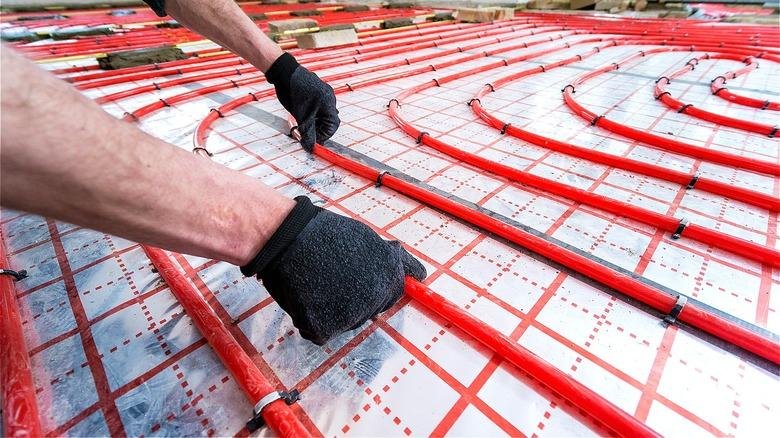
3 Common Underfloor Heating Installation Mistakes That Could Cost You Money
Underfloor heating is becoming an increasingly popular choice for homeowners across the UK, offering excellent comfort, even heat distribution and the potential for improved energy efficiency.
However, even the best underfloor heating system can struggle to perform efficiently if it isn’t designed or installed correctly.
Whether you’re installing water underfloor heating in a new build, renovating your home or upgrading an existing heating system, avoiding common installation mistakes can save you money, improve performance and prevent costly problems in the future.
At The Underfloor Heating Expert, we understand how important it is to get every detail right.
Here are three common underfloor heating installation mistakes and how to avoid them.
1. Incorrect Underfloor Heating Pipe Spacing
One of the most important factors in a successful wet underfloor heating installation is getting the pipe spacing right.
Underfloor heating pipe spacing refers to the distance between adjacent heating pipes installed beneath the floor.
If the pipes are positioned too far apart, the system may struggle to distribute heat evenly across the room.
What happens when underfloor heating pipes are too far apart?
Incorrect pipe spacing can lead to:
- Uneven floor temperatures and noticeable cold spots.
- Reduced heating performance in certain areas.
- Longer heating times.
- Difficulty achieving the desired room temperature.
- Reduced comfort, particularly in rooms with higher heat loss.
What is the recommended pipe spacing for underfloor heating?
In many UK wet underfloor heating installations, common pipe spacing arrangements include:
- 100mm spacing – Often used in areas requiring higher heat output, subject to the system design.
- 150mm spacing – A common choice for many residential installations.
- 200mm spacing – May be suitable for lower heat-demand areas where the design allows.
However, there is no single pipe spacing suitable for every property.
The correct spacing depends on several factors, including room heat loss, floor construction, floor covering, pipe diameter and operating water temperature.
Our expert tip: Always plan your underfloor heating pipe layout based on room-by-room heat loss calculations rather than simply choosing the widest spacing to save on pipe.
Getting the design right from the beginning helps ensure consistent comfort and efficient heating performance.
2. Poor or Insufficient Underfloor Heating Insulation
Another common mistake is overlooking the importance of insulation beneath the underfloor heating system.
Underfloor heating is designed to transfer warmth upwards into your living space. Without suitable insulation beneath the pipes, a significant amount of heat may be lost into the ground or the structure below.
This can reduce the efficiency of your heating system and increase running costs.
Why is underfloor heating insulation important?
Proper insulation helps to:
- Reduce unwanted downward heat loss.
- Improve the efficiency of the heating system.
- Direct more useful heat into the room.
- Reduce unnecessary energy consumption.
- Support better overall heating performance.
What insulation should you use for underfloor heating?
The appropriate insulation depends on the type of floor construction and the installation method.
For example, a ground-floor installation over concrete may require a different insulation arrangement from a suspended timber floor or a low-profile retrofit system.
Insulation thickness and thermal performance should be selected according to the building design and applicable UK Building Regulations.
Our expert tip: Don’t treat insulation as an optional extra. Even high-quality underfloor heating components cannot fully compensate for excessive heat loss beneath the system.
Choosing the correct insulation is an important part of creating an energy-efficient underfloor heating installation.
3. Choosing the Wrong Underfloor Heating Components
An underfloor heating system is made up of several components that must work together correctly.
Choosing incompatible or incorrectly sized products can lead to poor heating performance, inefficient operation and unnecessary installation problems.
Some of the most important components include:
Underfloor Heating Manifolds
The underfloor heating manifold distributes heated water to individual heating circuits.
Choosing the correct manifold depends on the number of heating zones, system design and flow requirements.
A properly selected and balanced manifold helps ensure that each circuit receives the appropriate water flow.
Underfloor Heating Pumps
A circulation pump plays an important role in moving heated water through the underfloor heating circuits.
An incorrectly selected pump may struggle to deliver the required flow or operate inefficiently.
The pump should be selected according to the system’s hydraulic requirements, including flow rate and pressure loss.
Underfloor Heating Thermostats and Controls
Thermostats and control systems allow you to manage room temperatures and heating schedules.
Selecting compatible controls is essential for reliable operation.
Depending on your installation, you may require wired or wireless thermostats, a wiring centre, actuators and suitable boiler or heat pump controls.
Underfloor Heating Pipes and Fittings
Using suitable pipes and compatible fittings is essential for a reliable installation.
Pipe size, material, circuit lengths and connection types should all be considered during system design.
Our expert tip: Before purchasing individual components, make sure they are suitable for your existing heating system and compatible with each other.
This is particularly important when replacing pumps, manifolds or thermostats in an existing underfloor heating installation.
How to Avoid Costly Underfloor Heating Installation Mistakes
The good news is that most common underfloor heating installation problems can be avoided with proper planning and the right products.
Before starting your project, make sure you:
- Calculate the heating requirements for each room.
- Plan the correct pipe spacing and circuit lengths.
- Choose suitable underfloor heating insulation.
- Select compatible pumps, manifolds and heating controls.
- Follow the manufacturer’s installation instructions.
- Pressure-test the system and commission it correctly before use.
Taking these steps can help improve system reliability, heating performance and long-term efficiency.
Need Help Choosing the Right Underfloor Heating Products?
At The Underfloor Heating Expert, we supply a wide range of underfloor heating products for homeowners, installers and trade professionals across the UK.
Whether you’re planning a new installation, replacing an existing component or upgrading your heating controls, we’re here to help you find suitable products for your project.
Our product range includes:
- Underfloor heating manifolds
- Underfloor heating pumps
- Underfloor heating thermostats and controls
- Underfloor heating pipes and fittings
- Underfloor heating accessories and replacement parts
Avoid costly mistakes before they happen.
Explore our range of underfloor heating products or contact The Underfloor Heating Expert for help choosing the right components for your system.
Frequently Asked Questions About Underfloor Heating Installation
What is the most common mistake when installing underfloor heating?
Common mistakes include incorrect pipe spacing, insufficient insulation and selecting incompatible components. Poor system design and inadequate commissioning can also affect performance.
What is the best pipe spacing for underfloor heating?
Common pipe spacing arrangements include 100mm, 150mm and 200mm. However, the correct spacing depends on the room’s heat loss, floor construction and system operating temperatures.
Does underfloor heating need insulation underneath?
Suitable insulation is important for reducing downward heat loss and improving efficiency. The insulation requirements depend on the floor construction and relevant building standards.
Can the wrong pump affect underfloor heating performance?
Yes. An incorrectly selected circulation pump may cause inadequate flow through the heating circuits, potentially leading to uneven heating or poor system performance.
Can I replace an underfloor heating manifold or thermostat?
Yes, many underfloor heating components can be replaced. However, replacement products must be compatible with the existing system, and installation should be carried out by a suitably competent person.
