
How to Turn On Underfloor Heating for the First Time?
Congratulations on your new underfloor heating installation. Turning on underfloor heating for the first time is exciting, but a careful start protects your floor and your underfloor heating system. This guide covers the whole process, from a dry screed to the right temperature for every flooring type.
You are eager to enjoy the cosy warmth an underfloor heating system brings. Before switching the heating on, though, a few steps make the start safe. Rushing turning on underfloor heating can damage the screed, the flooring, and the heating system, so go slowly.
Turning On Underfloor Heating for the First Time
Turning on underfloor heating for the first time is all about a gradual start. Whether you have a water based ufh system or an electric underfloor heating system, the heating should rise slowly so the flooring can acclimate. The first time you fire up the ufh system, raise the temperature in small steps instead of jumping to full working temperature.
Every underfloor heating system is a little different, so read the notes your installer left. They know the slab depth, the flooring type, and how the ufh system was installed, and that shapes how you turn the underfloor heating on.
This first time turning the system on sets the tone, so treat the start-up process as a slow warm-up process rather than a switch you simply flip.
Check the Screed and Adhesives Are Dry
Before activating your underfloor heating, confirm the screed, self-leveling compound, or adhesives are completely dry. A freshly installed floor holds moisture, and turning on the heating too soon traps it and can crack the surface. Proper drying lets moisture escape before the heating system runs.
A screed needs time to cure before the first time you switch the underfloor heating on. Ask your installer for the drying time for your screed; the materials and adhesives set the wait. Only once the screed is dry should you begin heating for the first time, and never rush this part of the process.
Consider Your Flooring Type
The flooring type you have chosen changes how you first operate your underfloor heating system. The flooring type chosen will affect the maximum temperature, the warm-up speed, and how gently the heating must start. Engineered wood, for instance, needs a gradual introduction to heat to avoid warping or cracking.
Match the heating control to the flooring: a delicate flooring type such as a soft wood or vinyl needs a slow start, while a tile or stone flooring can take more heat and a higher temperature. Follow your installer’s guidance on the best starting procedure for your flooring.
Recommended Initial Temperatures by Flooring Type
Vinyl, Linoleum, and Laminate: vinyl and linoleum should be laid flat for 24 hours prior to installation. Laminate also needs the full hours prior to installation, then to be laid flat. Test the heating, then switch it off 48 hours before installation and keep it off another 48 hours afterward. The maximum temperature here should be 27C.
Stone, Tile, and Ceramic: stone, tile, and ceramic handle heat well, but the temperature should not exceed 29C. A decoupling membrane is advisable when a tile or ceramic floor is installed, and a decoupling membrane protects the surface.
Carpet and Rugs: turn the heating off 48 hours before and after carpet is installed. Increase the temperature over seven days. Choose carpet with a 2.5 tog rating for best performance, with a desired temperature near 27C; a thick carpet slows the heating.
Wood and Engineered Wood: keep wood below 27C to avoid warping and cracking. Raise the temperature over seven days in small increments so the wood flooring settles. Engineered wood reacts badly to a fast start, so be patient.
Heating Timeframes and Turning Off in Summer
How long will the underfloor heating take to warm up? The time depends on the system type and flooring. Water based underfloor heating systems take longer to heat up than electric underfloor heating systems, which use thin heating wires for quicker results. A boiler-fed water system and a tile flooring both change the timing, and the boiler size matters for the underfloor heating too.
During the summer months your underfloor heating system may sit idle. When the colder months return, follow the same steps as the first time: a slow climb to full working temperature. Use the same steps each time turning the heating back on, so the flooring and the ufh system acclimate. Through the hottest summer months, leave it off, then treat it like home heating starting fresh afterwards.
Efficient Heating with Programmable Thermostats
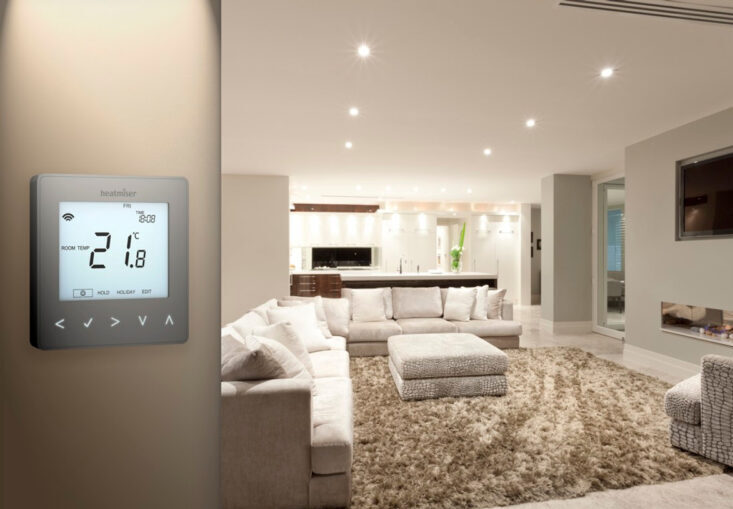
Smart thermostats are an efficient way to manage your underfloor heating. Smart thermostats and programmable thermostats automate the heating and adjust the temperature gradually, letting you program each room. Good heating control keeps the home comfortable and the ufh system running well.
With this control you can schedule heating zone by zone, so the heating only runs where needed. Over time this steady heating process keeps the right temperature in each room and the underfloor heating running smoothly.
Frequently Asked Questions
How do I know if my underfloor heating is on?
The simplest check is the thermostat: most show when the heating system is calling for heat. Beyond that, the flooring will feel warm to the touch after the system runs, though a thick flooring type can take time to warm. A smart thermostat or programmable thermostat also shows the current temperature and whether the underfloor heating is heating.
What number should underfloor heating be on?
There is no single number; the right setting depends on the flooring type. As a guide, set a working temperature near 27C for wood, vinyl, linoleum, and carpet, and up to 29C for a tile, stone, or ceramic flooring. Start cold the first time, keep it cold at first, then adjust the thermostat in small increments until each room holds the desired temperature you want from the underfloor heating
