
How Does an Underfloor Heating Manifold Work?
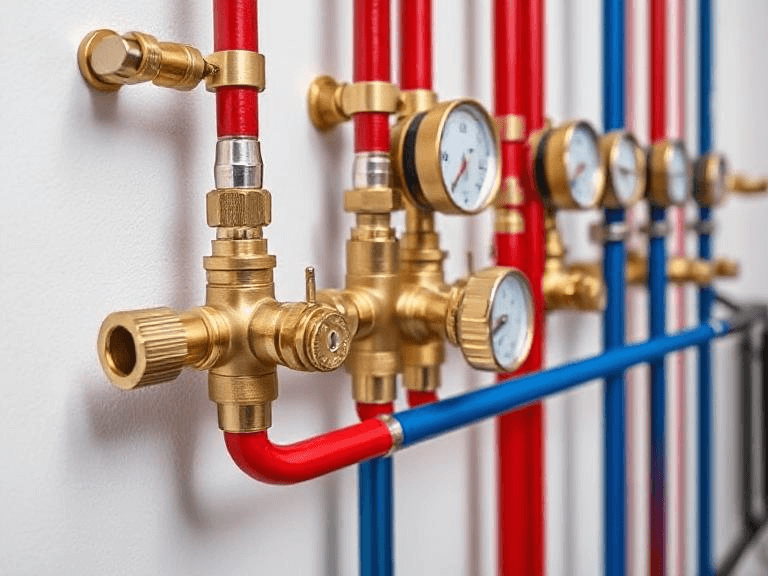
Step onto a warm floor on a winter morning and you are feeling the quiet work of one component: the underfloor heating manifold. So how does underfloor heating manifold work in practice? In short, the underfloor heating manifold is the control centre that splits warm water from the boiler into each loop, balances the flow rates, and sends cooled water back to be warmed.
This guide explains how the underfloor heating manifold work fits together, part by part, whether you run a compact low profile underfloor heating kit or a large multi-zone ufh system. Once you understand the underfloor heating work behind it, you can balance heat outputs, spot faults early, and keep the whole heating system efficient.
What Is an Underfloor Heating Manifold?
Think of the underfloor heating manifold as the control centre of the heating system. It distributes warm water evenly across zones so no room overheats while another stays cold. Without it, an underfloor heating system would waste energy and leave cold spots.
In a wet underfloor heating system, the underfloor heating manifold is the one place where every loop can be seen and adjusted. Set the manifold up well and rooms stop fighting each other for flow.
The underfloor heating manifold sits between the heat source and the floor. A boiler or heat pump produces the hot water; the ufh manifold then meters that heated water into each loop at the correct flow rate. Many homes now pair the system with a modern heat source sized so the low flow temperature of the floor is easy to reach.
The Main Parts of the Manifold
The components of an underfloor heating manifold split into two brass bars. The flow manifold rail feeds warm water out to the loops, while the return manifold rail collects cooler water coming back. Together the flow and return rails form the body that every length of underfloor heating pipework connects to.
The flow manifold and the return sit one above the other on the bracket. Each port on the flow manifold takes one loop of ufh pipes, and the matching port on the return brings that loop back to the manifold.
On the flow side you will find flow meters: small clear tubes with a floating flow bar that shows the flow rates in each loop. The return bar carries the actuators and a manual air vent. A typical underfloor heating manifold also has a drain valve, manual air vent fittings at each end, and a manifold tag listing the zones.
Read the flow meters to set even flow rates, then turn the flow adjustment valve on each port until every loop shows the correct flow rate and steady water flow. The air vents clear trapped air, and the drain valve lets you empty the system for service. The flow bar in each meter should sit at the same mark once the loops across the manifold are balanced.
How the Manifold Works
So what does the manifold actually do once water is moving? It does three jobs at the same time: it shares warmth evenly, it switches zones on and off, and it controls the temperature. Each job uses a different part of the underfloor heating manifold.
None of this needs constant attention. Once the loops are balanced and the blend is set, the underfloor heating manifold simply does its job quietly in the background.
Controlling Warmth and Flow Rates
The first job of the underfloor heating manifold is even, balanced warmth across the floor. Each floor circuit carries a different length of ufh pipes, so each needs a different water flow to deliver matching outputs. The flow meters and the flow adjustment valve let you tune the flow rates so a short bathroom loop and a long lounge loop reach a similar output without uneven heating.
Balancing the flow and return this way stops one zone stealing the warm water. Even flow rates also cut heat losses along the heating pipes, so more of the boiler’s energy reaches the floor and less is lost on the return rail. Good balance is the difference between a floor that feels even and one with cold patches.
Actuators, Thermostats and the Wiring Centre
Most wet systems use room thermostats wired to a wiring centre. When a room calls for warmth, the thermostat tells the board, which powers an actuator on the return manifold rail. The actuator opens that loop so warm water flows along the same route as before.
With multiple zones, or even multiple floors, each room can hold different temperatures. The wiring centre coordinates them, opening and closing valves so the heating zones only draw water based on room temperatures. If you are wiring underfloor heating yourself, the wiring board is where every thermostat and actuator meets, and fitting an electric underfloor heating thermostat follows the same logic.
The Blending Valve and Water Temperature
A boiler or heat pump often sends water far too hot for a floor. That is why a manifold mixing unit, built around a mixing valve, sits on the flow side of the ufh manifold. The blending valve mixes hot water from the heat source with cooler water from the return until the water temperature is right.
The floor runs at a low water temperature, usually 35 to 50C, so a temperature gauge on the flow and a second temperature gauge on the return let you confirm the blend. Watch both temperature gauge readings: too high a temperature can damage the floor construction, while too low and the room never warms. The gauges and valve together keep temperatures stable across long runs.
Flow Rates, Pressure and the Pump
Do underfloor heating manifolds need a pump? Most do. A circulation pump within the manifold mixing unit pushes the water around the flow and return loops at a steady pressure. On modern kits the pump and the blend share one housing beside the manifold.
Before first use the system should be pressure tested. Fill it, bring it up to working pressure, and watch the pressure gauge: a stable pressure gauge over an hour means no leaks. Many installers leave it pressure tested overnight, then log the system pressure so they can spot a slow drop later.
A balanced system also runs more quietly. When the flow rates match the pipe lengths, the pump settles, the gauges hold steady, and the floor warms evenly from edge to edge.
If a loop runs cold, check the flow meters first, then bleed the air vents to release trapped air. A manual air vent at each end of the manifold makes this quick, and clearing the flow rail of bubbles restores even warmth. Keeping the correct flow and clear air vents is the simplest way to maintain efficiency year after year, and a quick annual service keeps the manifold reliable.
A Real-Life Example
Picture a two-storey home using a water underfloor heating layout across multiple floors. Downstairs the kitchen and lounge share heating zones; upstairs each bedroom is its own loop. The whole underfloor heating design routes every loop back to one underfloor heating manifold.
When the kitchen calls for warmth, its thermostat opens an actuator and the flow meters show a higher flow; an unused bedroom stays closed. The ufh manifold juggles these different temperatures continuously, which is the point of a good underfloor heating design. That balance of each heated area against demand is the underfloor heating work that keeps the home comfortable.
Frequently Asked Questions
What temperature should my underfloor heating manifold be set at?
Set the blending valve so the flow water temperature sits around 35 to 50C. Use the temperature gauge on the flow manifold rail to confirm it; tile tolerates the higher end, while a timber floor construction prefers the lower end. The right temperature protects the floor and helps maintain efficiency.
How to tell if an underfloor heating actuator is working?
A healthy actuator warms and clicks open a minute or two after the thermostat calls for heat. Feel the return rail port: if that floor circuit stays cold while others warm, the actuator, its wiring centre connection, or that flow rail may be at fault. Swapping a suspect actuator to a spare return rail port is a quick test.
Do underfloor heating manifolds need a pump?
Yes, almost always. A wet underfloor heating system needs a circulation pump to move warm water through the flow and return rails, usually built into the manifold housing. Only where a large boiler already provides enough head can a separate ufh system pump sometimes be skipped.
