
Underfloor Heating with Heat Pump: Why They Work So Well Together
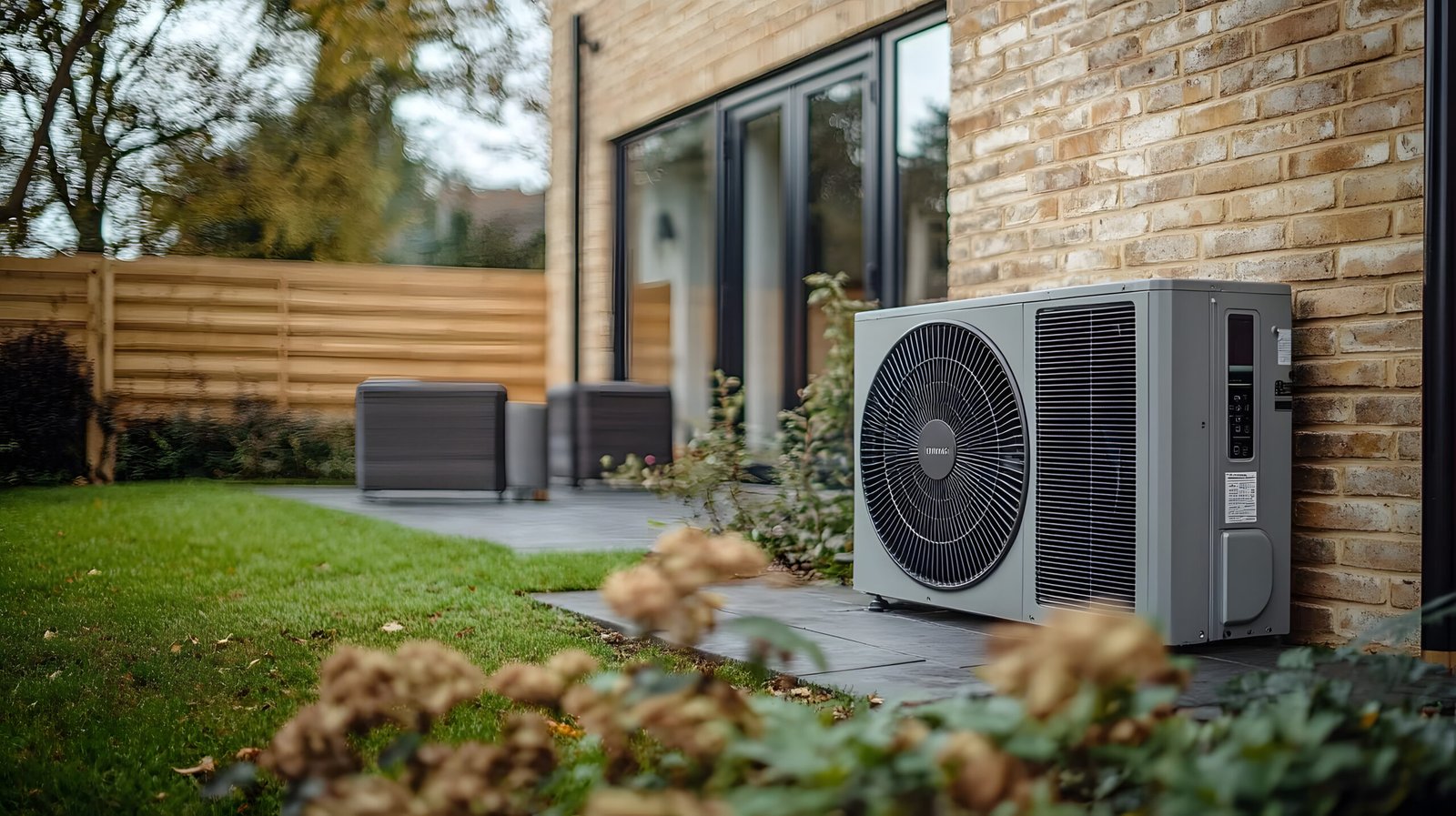
Underfloor Heating with Heat Pump: Why They Work So Well Together
Heat pumps are becoming an increasingly popular choice for homeowners looking for an efficient alternative to traditional heating systems. However, choosing the right heat emitters is just as important as selecting the heat pump itself.
One of the most effective combinations is a heat pump with water underfloor heating. Because underfloor heating can distribute heat across a large floor area, it can operate effectively at lower water temperatures than many traditional radiator systems. This makes it particularly well suited to the low-temperature operation typically associated with heat pumps.
Whether you are planning a new build, renovating an existing property or replacing a traditional boiler, understanding how underfloor heating and heat pumps work together can help you design a comfortable and efficient heating system.
Can You Use Underfloor Heating with a Heat Pump?
Yes. Water underfloor heating can be used with both air source and ground source heat pumps, provided the complete heating system has been correctly designed.
Traditional boilers are often capable of supplying heating water at relatively high temperatures. Heat pumps, on the other hand, generally achieve better efficiency when producing water at lower temperatures.
This is where underfloor heating has an important advantage.
Instead of relying on a relatively small radiator surface to transfer heat into a room, UFH uses a much larger proportion of the floor as the heat emitter. This large surface area means the room can often be heated effectively using a lower flow temperature.
Why Is Underfloor Heating Good for Heat Pumps?
The main reason is low-temperature operation.
A heat pump transfers heat rather than producing it through combustion. The smaller the temperature difference between the heat source and the required heating-water temperature, the more efficiently a heat pump can generally operate.
Underfloor heating is designed to distribute gentle heat across a large surface area. As a result, a correctly designed system may be able to provide the required room heat output without needing the higher water temperatures commonly associated with traditional radiator systems.
This can provide several benefits:
- Lower heating flow temperatures
- Even heat distribution throughout the room
- Improved comfort with fewer hot and cold areas
- No need for wall-mounted radiators in UFH zones
- Good compatibility with modern low-temperature heating systems
- Greater flexibility when designing new builds and renovations
However, the actual efficiency of any installation depends on factors including the property’s heat loss, insulation, floor construction, pipe spacing, floor finish and heat pump specification.
Air Source Heat Pump and Underfloor Heating
An air source heat pump with underfloor heating is a popular combination for new builds, extensions and energy-efficient renovation projects.
An air source heat pump extracts heat from the outside air and transfers it into the property’s heating system. The heated water can then circulate through the UFH pipework installed beneath the floor.
Because UFH can be designed around relatively low water temperatures, it can complement the operating characteristics of an air source heat pump.
The key, however, is correct design.
Simply connecting a heat pump to an existing or poorly designed UFH system does not guarantee good performance. The system needs to provide enough heat output to meet the calculated heat loss of each room at the intended design flow temperature.
What Flow Temperature Does Underfloor Heating Need with a Heat Pump?
There isn’t one flow temperature suitable for every property.
The required temperature depends on the building’s heat loss and the design of the underfloor heating system. Factors such as pipe spacing, floor construction, insulation and floor covering can all affect the required water temperature and heat output.
Heat pump UFH systems are commonly designed to operate at lower temperatures than traditional boiler-fed radiator systems.
For example, closer pipe spacing can help increase the heat output available from the floor at a given water temperature. This can be particularly important when designing UFH specifically for a heat pump.
Rather than choosing an arbitrary flow temperature, the system should be designed around the heating requirements of the property.
Pipe Spacing for Heat Pump Underfloor Heating
Correct underfloor heating pipe spacing is especially important when using a heat pump.
Common UFH pipe spacings include 100mm, 150mm and 200mm, although the appropriate spacing depends on the individual project.
Reducing the distance between pipes increases the amount of pipework within the heated floor area and can help improve heat distribution and output.
For a low-temperature heat pump system, designers may therefore choose closer spacing in areas with greater heating demand.
This is one reason why obtaining a proper UFH pipe layout design before installation is so important.
At The Underfloor Heating Expert, we can provide a free CAD pipe layout and quotation to help determine the required loops, pipe quantities and manifold size for your project.
Is Underfloor Heating More Efficient Than Radiators with a Heat Pump?
It isn’t quite as simple as saying that UFH is always more efficient than radiators.
Both can work with heat pumps when correctly sized.
The important difference is that underfloor heating provides a very large heat-emitting surface. This can allow it to deliver the required heat at a relatively low water temperature.
Radiators can also be used successfully with heat pumps, but existing radiators may need to be assessed or resized to provide sufficient output at lower flow temperatures.
The best solution depends on the property.
Some homes also use a mixed system, with underfloor heating downstairs and appropriately sized radiators upstairs.
What Type of Underfloor Heating Is Best for a Heat Pump?
For properties where the heat pump is supplying the main central heating system, water underfloor heating is normally the relevant type of UFH.
Water UFH consists of pipes installed within or beneath the floor. Heated water circulates through these pipes and transfers heat into the floor structure before it radiates into the room.
There are several installation methods available depending on the floor construction.
Screeded Underfloor Heating
For new builds and extensions, UFH pipework can be installed over insulation and covered with screed.
This provides a large heated floor area and is a common solution for heat pump installations.
Low-Profile Underfloor Heating
When renovating an existing property, increasing the floor height can be problematic.
Low-profile and overlay UFH systems can provide an alternative where traditional screeded construction isn’t practical.
Suspended Timber Floors
Underfloor heating can also be installed with suspended timber floors using suitable systems such as aluminium spreader plates or routed/grooved panels.
The correct system depends on the floor construction, available installation depth and required heat output.
The Importance of Insulation
Good insulation is particularly important when combining a heat pump and underfloor heating.
The aim is to direct as much heat as possible into the room rather than allowing unnecessary heat loss through the building fabric.
Floor insulation can reduce downward heat loss, while good overall property insulation reduces the heating demand placed on both the UFH system and heat pump.
A well-insulated property will generally require less energy to maintain a comfortable indoor temperature.
However, insulation should not be considered in isolation. Walls, windows, doors, roofs and ventilation losses all contribute to the overall heat-loss calculation.
Do You Need a Mixing Valve with a Heat Pump and UFH?
This depends on how the complete heating system has been designed.
Traditional boiler-fed UFH systems often use a pump and thermostatic mixing valve to reduce higher-temperature water from the boiler to a temperature suitable for the floor heating circuit.
With a heat pump system designed specifically for low-temperature operation, the arrangement may be different. In some systems, the heat pump can supply water at a temperature already suitable for the UFH circuit.
Whether a mixing set, separate circulation pump, buffer vessel or other hydraulic components are required depends on the particular heat pump and system design.
The heat pump manufacturer’s requirements and the heating designer’s specifications should therefore always be followed.
UFH Manifolds and Controls
The underfloor heating manifold is another important part of a water UFH system.
It distributes water between individual pipe loops and allows the system to be balanced so that each circuit receives the appropriate flow.
A typical installation may also incorporate:
Flow meters – used to regulate and monitor flow through individual UFH circuits.
Actuators – fitted to the manifold to open and close individual heating zones.
Room thermostats – control the heating demand within different areas of the property.
Wiring centre – connects thermostats, actuators and other heating controls where required.
Correct balancing and commissioning are important to achieving consistent temperatures throughout the property.
Can You Retrofit Underfloor Heating with a Heat Pump?
Yes, but retrofitting requires more careful planning than installing UFH during a new build.
Before choosing a system, you should consider:
- Existing floor construction
- Available floor height
- Property heat loss
- Insulation levels
- Final floor covering
- Required heat output
- Location of the UFH manifold
- Heat pump operating temperatures
Low-profile UFH systems can make retrofitting possible without the depth required for a conventional screeded installation.
However, every property is different, so the proposed UFH output should be checked against the room-by-room heat-loss requirements.
Floor Coverings and Heat Pump UFH
The final floor covering can significantly affect heat transfer.
Materials with relatively low thermal resistance generally allow heat to transfer into the room more easily. Tile and stone floors are therefore commonly associated with underfloor heating.
Other floor coverings, including engineered wood, laminate and certain carpets, can also be suitable, provided they are approved for use with UFH and the combined thermal resistance is taken into account during system design.
Always check the flooring manufacturer’s maximum permitted floor temperature and installation requirements.
Is a Heat Pump and Underfloor Heating Worth Considering?
For many new builds, extensions and major renovations, combining a heat pump with water underfloor heating can provide an effective low-temperature heating solution.
The key advantage is that both technologies can be designed around relatively low heating-water temperatures.
But good performance depends on much more than simply choosing the right products.
A successful system needs to consider the property’s heat loss, insulation, pipe spacing, floor construction, flow temperature, controls and correct hydraulic design.
Getting these elements right from the beginning can make a significant difference to comfort and system performance.
Planning Underfloor Heating for a Heat Pump?
If you’re installing an air source heat pump, ground source heat pump or other low-temperature heating system, we can help you plan the underfloor heating side of your project.
At The Underfloor Heating Expert, we supply a wide range of water UFH products, including:
- Underfloor heating pipe
- Stainless steel and brass manifolds
- UFH pumps and mixing sets
- Pipe fixing systems
- Castellated panels
- Grooved insulation boards
- Aluminium spreader plates
- Thermostats, actuators and wiring centres
- Complete underfloor heating kits
We also offer a FREE UFH quotation and CAD pipe layout design, helping you work out the required pipe loops, spacing, manifold size and materials before installation.
Planning a heat pump and underfloor heating system? Get in touch with The Underfloor Heating Expert for your free UFH design and quotation.
