
Underfloor Heating Not Working? Common Problems and How to Fix Them
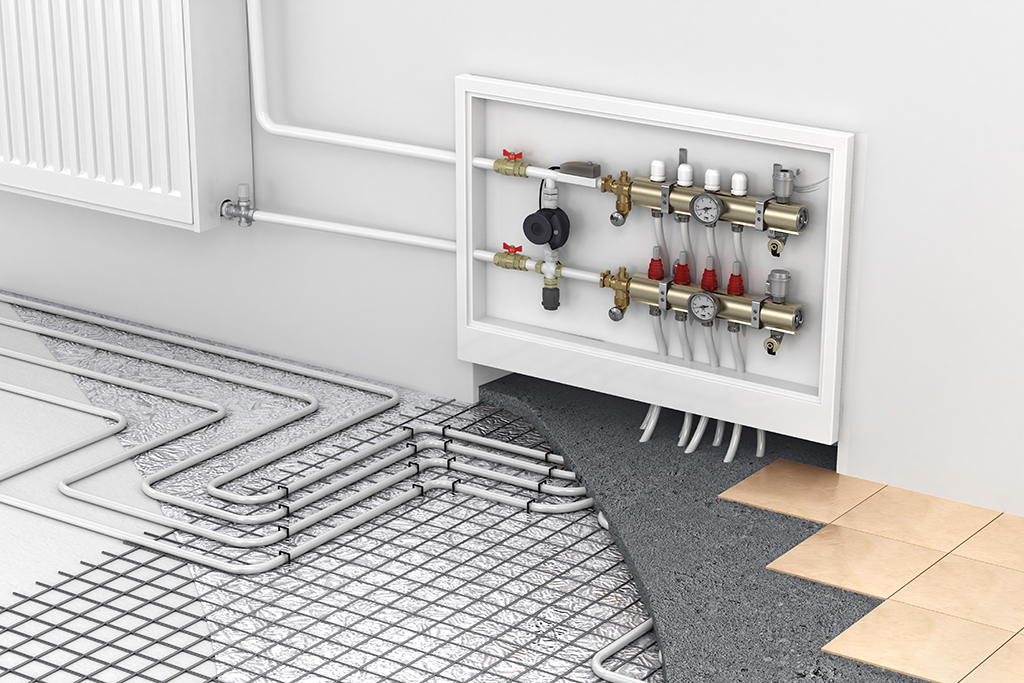
Few things are more frustrating than an underfloor heating not working when the cold weather arrives. The good news is that most of these faults share a handful of familiar causes, and many can be traced without lifting a single tile. This guide walks through the usual underfloor heating problems, explains what they mean, and shows when a quick fix will do and when the issue really needs a professional.
Whether you run a wet underfloor heating system fed from a boiler or an electric mat, the same logic applies: work from the simplest checks toward the complex ones. We will also cover the classic case of an underfloor heating pump not working, since the pump sits at the heart of every wet system and a stalled pump is a common reason for underfloor heating not working.
Common Underfloor Heating Problems and Their Causes
These underfloor heating problems fall into a few groups: trapped air, weak pressure, a failing pump, thermostat troubles and electrical faults. Air trapped inside the loops is the classic culprit; when air bubbles collect at the high points of the pipe network, they restrict water flow and leave you with cold spots across an otherwise warm room. If you notice gurgling and weak heat output, this is the first thing to suspect.
Pressure is the next suspect. If the system is losing pressure or sitting at low pressure, the water cannot move and heat output drops.
Check the gauge: healthy water pressure keeps the circuit full and the floor warm, while a slow leak shows up as damp patches and a system that keeps dropping its water level. Restoring pressure often brings a struggling system back to life, so treat any pressure issues as a priority.
Mechanical and control faults round out the list. A pump that has seized, a faulty actuator on the manifold, or a simple thermostat fault can all stop the heating dead. Underfloor heating actuator problems are easy to miss because the actuator is small, yet a single stuck actuator can shut a whole zone. Actuator problems, a faulty pump and thermostat troubles together account for most call-outs we see on a struggling system.
Underfloor Heating Pump Not Working
An underfloor heating pump not working is one of the most disruptive faults, because without the pump the water in the system simply stops moving. A circulation pump should hum quietly; if it is silent, noisy or hot, the circulation pump may be seized or air-bound. Bleeding the pump and checking the boiler side of the manifold usually restores flow to the system.
People often ask whether the pump should be constantly running. In most homes the pump runs only while a zone calls for heat, then it stops. If yours is constantly running with no heat to show for it, suspect a faulty pump, a blockage, or an expansion vessel that has lost its charge. A waterlogged expansion vessel makes the system pressure swing wildly and forces the pump to labour.
To diagnose flow, fit a pressure testing kit and watch the flow gauges on the manifold. Even flow rates keep every loop warm; a single slow loop points to a partial blockage in the pipe network. Note the flow rate on each circuit, compare them, and you will quickly see which loop is starved of water flow. Pressure testing also confirms whether the expansion vessel and the system pressure are holding steady.
Electric and Wet Systems: Different Faults
It helps to know which type you have, because electric underfloor heating and wet underfloor heating fail in different ways. Wet systems are hydronic systems that circulate hot water from a boiler, so they suffer from air, pressure and pump faults. Electric heating uses cables instead, so an electric mat fails through electrical faults rather than airlocks. Most modern underfloor heating systems are one or the other, though a few homes run both.
Electric underfloor heating systems fail at the supply far more often than in the pipework. Start there: a tripped circuit breaker, an electrical fault in the wiring board, or damaged cables under the floor will all kill the heat.
Check the mains supply, then the temperature sensors that feed the thermostat. On a large electric system the wiring boards link multiple thermostats across multiple zones, so a single faulty connection or wiring problem can disable several rooms at once.
A wireless thermostat adds its own traps. A low battery will silence a zone even when the rest of the system is healthy, so confirm the power supply and swap the battery before assuming the worst. Poor connections behind the wiring board are common on older installs, and because multiple zones often share one underfloor system controller, one bad terminal can mimic a far bigger fault.
How to Fix It and When to Call a Heating Engineer
Begin with the easy wins. Set the thermostat to the desired temperature, wait, and feel for a warm floor; if nothing happens, reset the controls using the steps in your user manual. A thermostat that has drifted off, or a thermostat left in the wrong mode, fixes many faults in seconds without touching the underfloor system at all.
For a wet system, top up through the filling loop until the water pressure is correct, then bleed each loop. A sticky pin valve can be freed with a little silicone spray; never force a pin valve, as that can restrict water flow further and starve the loop. If one circuit still will not warm, the issue is usually air or a blockage in that part of the ufh system rather than the boiler.
Insulation matters too. Poor insulation, or missing insulation beneath the pipes, lets heat escape downward, so you fight constant heat loss and weak heat output. Thick floor coverings have the same effect, trapping warmth above the screed and starving the room of heat. Address poor insulation and heavy floor coverings before blaming the heating itself.
Some jobs need a professional. If pressure testing, a suspected faulty connection, or a deep electrical problem is involved, call a qualified heating engineer. A good engineer will diagnose the whole heating system, check the boiler, and fix the fault safely rather than risk bigger damage to a costly system.
Frequently Asked Questions
How long does an underfloor heating pump last?
A quality pump in a wet underfloor heating system typically lasts 10 to 15 years. Lifespan drops if the pump runs non-stop against a blockage, if the system pressure is poor, or if debris in the pipework wears the bearings. Annual pressure testing and clean water help it reach the upper end of that range.
Should an underfloor heating pump run constantly?
Not usually. The pump should run while a zone calls for heat and stop once the room is warm enough. A pump running around the clock points to a stuck thermostat, a stuck actuator, or a control fault on the wiring board. Running non-stop with nothing to show for it wastes power and shortens the life of the pump.
What to do if underfloor heating stops working?
Start simple: confirm the power supply, check the circuit breaker, and make sure the thermostat is set above room temperature. For a wet system, verify the water pressure and listen for the pump. Most of these faults trace back to pressure, air or a thermostat issue, so rule those out before you call anyone.
How to reset underfloor heating?
To reset underfloor heating, switch the system off at the main isolating switch supply, wait a minute, then power it back on. Re-enter the desired temperature on the thermostat and, on electric systems, replace a low battery if the display is blank. Your user manual lists the exact reset steps for your model and controls.
How do I know if my underfloor heating is working properly?
A healthy system gives an evenly warm floor, steady pressure, and consistent heat output with no cold spots or damp areas. The pump runs only when needed, the flow looks even across the manifold and the multiple zones, and the room reaches the set temperature within an hour or two.
How to clear an airlock in underfloor heating?
Clear an airlock by topping up via the filling loop, then bleeding each loop so trapped air and air bubbles escape. Open the pin valve slowly on the affected circuit and let water push the air out until flow returns. If the airlock keeps coming back, have the expansion vessel and the pressure checked by a professional.
