
Underfloor Heating for Wooden Floors
Underfloor heating for wooden floors is a high-performance heating system designed for compatibility with timber surfaces. These systems utilise low temperature operation to maintain the structural integrity of natural materials while providing consistent warmth. Choosing this system ensures longevity for both the floor and the UFH components.
Enhance your home’s comfort by installing the best underfloor heating system. The Underfloor Heating Expert provides premium-quality components that guarantee even heat distribution and maximum energy efficiency for wooden flooring. Our reliable systems lower your running costs and protect your investment.
Benefits of Underfloor Heating for Wooden Floors
Underfloor heating is an environmentally friendly and highly energy-efficient and effective way to heat wooden floors, as it transforms the entire surface into a high-performance heating system. This optimal solution eliminates cold spots and reduces energy bills thanks to its consistent heat output.
- Lower Running Costs: High energy efficiency allows the UFH to operate at lower water or electrical temperatures. This results in substantially lower heating bills for the homeowner.
- Uniform Heat Distribution: Even heat distribution ensures radiant heat reaches every corner of the wooden floors. This creates a luxurious feeling underfoot without the temperature fluctuations common in radiator-based homes.
- Improved Air Quality: Radiant heat from in-floor heating reduces the amount of dust particles carried by the air. This significantly benefits those with allergies and creates a healthier living environment above the wooden floors.
- Low Maintenance Reliability: Radiant floor heating is generally low maintenance and more durable than a traditional heating system. This ensures that it remains energy efficient and reliable throughout the lifetime of the wooden flooring.
- Enhanced Room Aesthetics: The hidden heating system removes the requirement for bulky, wall-mounted radiators. It frees up wall space and allows for unrestricted interior design and furniture placement.
- Material Longevity: Gentle heat output prevents the rapid expansion and contraction associated with traditional high-temperature heaters. This protects the structural integrity and appearance of natural wood floors.
Types of Underfloor Heating Systems for Wooden Floors
The installation of electric or hydronic (water) underfloor heating systems is a common choice for wooden floors. Electric systems use thin heating cables or mats and are a popular choice for retrofitting a single room over an existing wooden floor. Water-based systems use a network of pipes and are often the best option for large-scale projects. This comparison will help you choose the right heating system for your wooden floors.
| Feature | Electric Underfloor Heating (Dry) | Water Underfloor Heating (Wet) |
|---|---|---|
| Best Room Size | Small to Medium (Bathrooms, ensuites, single bedrooms). | Large to Whole House (Open-plan living areas, full renovations). |
| Wood Floor Type | Best for Engineered Wood; not recommended for solid wood due to rapid heat spikes. | Ideal for Engineered Wood; can support solid wood with careful temperature modulation. |
| Floor Height | Ultra-low profile (approx. 3mm–6mm). Perfect for retrofits where doors are already hung. | Higher build-up (15mm–70mm). Often requires raising floor levels or specialized low-profile panels. |
| Energy Efficiency | 100% efficient at point of use, but relies on expensive grid electricity. | High efficiency (up to 40% better than radiators), especially when paired with a heat pump. |
| Installation Cost | Lower price. Faster, easy-to-install ‘mat’ systems are available. | Higher price. Requires manifolds, plumbing, and professional commissioning. |
| Response Time | Fast. Heats up in 20–30 mins. Great for rooms used intermittently. | Slow. Can take 1–2 hours to reach temp, but retains heat for much longer. |
Wooden Flooring Options Suitable for Underfloor Heating
Engineered wood and solid wood are the two primary options suitable for underfloor heating. These wood floors provide high thermal conductivity and are compatible with UFH, when specific installation guidelines are followed.
- Engineered Wood: This material features a hardwood surface layer bonded to a stable, multi-layered plywood core. The cross-layered structure limits natural expansion and contraction, which means the floor resists warping when exposed to heat from UFH. You will enjoy a durable, long-lasting surface that remains perfectly flat and structurally sound.
- Solid Wood: This flooring consists of single planks of natural timber. Its high density ensures excellent heat retention, allowing the UFH to provide efficient heat output and even distribution. You gain the authentic beauty of natural timber while maintaining a comfortable environment, provided the 27°C surface temperature limit is strictly observed.
Underfloor Heating Installation Essentials for Timber Surfaces
Essential installation considerations for timber surfaces include precise subfloor preparation, moisture control and strict thermal management protocols to protect the floor. In order to ensure that the heating system meets the specific requirements of a room, a documented heat loss calculation must be carried out. This technical assessment guarantees a comfortable environment while keeping running costs to a minimum.
Wooden floors require an acclimatisation period of 5–7 days before the UFH can be installed. During this time, the heating system operates at a low temperature to stabilise the material. This process ensures the timber reaches equilibrium with its surroundings, thereby reducing the risk of expansion or contraction.
After installation, timber flooring is left to rest for at least 48 hours before the underfloor heating is reactivated. This pause allows the adhesives and wood structure to settle under ambient conditions. The result is a more stable floor that is less prone to movement or noise. Following the initial rest period, the system temperature increases gradually by 1–2°C per day. This controlled ramp-up prevents thermal shock to the wooden flooring and protects the finish. Gradual heat distribution ensures optimal performance of the radiant floor heating without compromising the health of the timber.
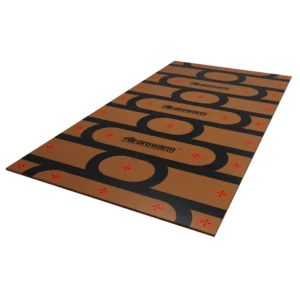
High-quality insulation boards provide a stable base and direct heat upwards. An expansion gap of 8–15 mm around the perimeter allows for the natural expansion and contraction of the wooden floor. Using two layers of specialised backing can further enhance floor stability.
Frequently Asked Questions
Is underfloor heating suitable for wooden floors?
Yes, underfloor heating for wooden floors is highly suitable for both solid timber and engineered wood types. It provides even heat distribution that is gentler than traditional radiators.
Does underfloor heating warp wooden floorboards?
Wooden floors will not warp if the surface temperature of underfloor heating is kept below 27°C. Keeping the relative humidity between 40% and 60% and the air temperature between 18°C and 24°C stops the wood from moving excessively. Using a thermostat with floor sensors and ensuring proper acclimatisation protects wooden floors from damage.
Is underlay needed for wood flooring with underfloor heating?
Yes, a specialised, low-TOG underlay is required to optimise underfloor heating performance and ensure efficient heat distribution. This allows heat to be transferred effectively through wooden floors, using less energy and keeping running costs low.


Underfloor heating for wooden floors is a high-performance heating system designed for compatibility with timber surfaces. These systems utilise low temperature operation to maintain the structural integrity of natural materials while providing consistent warmth. Choosing this system ensures longevity for both the floor and the UFH components.
Enhance your home’s comfort by installing the best underfloor heating system. The Underfloor Heating Expert provides premium-quality components that guarantee even heat distribution and maximum energy efficiency for wooden flooring. Our reliable systems lower your running costs and protect your investment.
Benefits of Underfloor Heating for Wooden Floors
Underfloor heating is an environmentally friendly and highly energy-efficient and effective way to heat wooden floors, as it transforms the entire surface into a high-performance heating system. This optimal solution eliminates cold spots and reduces energy bills thanks to its consistent heat output.
- Lower Running Costs: High energy efficiency allows the UFH to operate at lower water or electrical temperatures. This results in substantially lower heating bills for the homeowner.
- Uniform Heat Distribution: Even heat distribution ensures radiant heat reaches every corner of the wooden floors. This creates a luxurious feeling underfoot without the temperature fluctuations common in radiator-based homes.
- Improved Air Quality: Radiant heat from in-floor heating reduces the amount of dust particles carried by the air. This significantly benefits those with allergies and creates a healthier living environment above the wooden floors.
- Low Maintenance Reliability: Radiant floor heating is generally low maintenance and more durable than a traditional heating system. This ensures that it remains energy efficient and reliable throughout the lifetime of the wooden flooring.
- Enhanced Room Aesthetics: The hidden heating system removes the requirement for bulky, wall-mounted radiators. It frees up wall space and allows for unrestricted interior design and furniture placement.
- Material Longevity: Gentle heat output prevents the rapid expansion and contraction associated with traditional high-temperature heaters. This protects the structural integrity and appearance of natural wood floors.
Types of Underfloor Heating Systems for Wooden Floors
The installation of electric or hydronic (water) underfloor heating systems is a common choice for wooden floors. Electric systems use thin heating cables or mats and are a popular choice for retrofitting a single room over an existing wooden floor. Water-based systems use a network of pipes and are often the best option for large-scale projects. This comparison will help you choose the right heating system for your wooden floors.
| Feature | Electric Underfloor Heating (Dry) | Water Underfloor Heating (Wet) |
|---|---|---|
| Best Room Size | Small to Medium (Bathrooms, ensuites, single bedrooms). | Large to Whole House (Open-plan living areas, full renovations). |
| Wood Floor Type | Best for Engineered Wood; not recommended for solid wood due to rapid heat spikes. | Ideal for Engineered Wood; can support solid wood with careful temperature modulation. |
| Floor Height | Ultra-low profile (approx. 3mm–6mm). Perfect for retrofits where doors are already hung. | Higher build-up (15mm–70mm). Often requires raising floor levels or specialized low-profile panels. |
| Energy Efficiency | 100% efficient at point of use, but relies on expensive grid electricity. | High efficiency (up to 40% better than radiators), especially when paired with a heat pump. |
| Installation Cost | Lower price. Faster, easy-to-install ‘mat’ systems are available. | Higher price. Requires manifolds, plumbing, and professional commissioning. |
| Response Time | Fast. Heats up in 20–30 mins. Great for rooms used intermittently. | Slow. Can take 1–2 hours to reach temp, but retains heat for much longer. |
Wooden Flooring Options Suitable for Underfloor Heating
Engineered wood and solid wood are the two primary options suitable for underfloor heating. These wood floors provide high thermal conductivity and are compatible with UFH, when specific installation guidelines are followed.
- Engineered Wood: This material features a hardwood surface layer bonded to a stable, multi-layered plywood core. The cross-layered structure limits natural expansion and contraction, which means the floor resists warping when exposed to heat from UFH. You will enjoy a durable, long-lasting surface that remains perfectly flat and structurally sound.
- Solid Wood: This flooring consists of single planks of natural timber. Its high density ensures excellent heat retention, allowing the UFH to provide efficient heat output and even distribution. You gain the authentic beauty of natural timber while maintaining a comfortable environment, provided the 27°C surface temperature limit is strictly observed.
Underfloor Heating Installation Essentials for Timber Surfaces
Essential installation considerations for timber surfaces include precise subfloor preparation, moisture control and strict thermal management protocols to protect the floor. In order to ensure that the heating system meets the specific requirements of a room, a documented heat loss calculation must be carried out. This technical assessment guarantees a comfortable environment while keeping running costs to a minimum.
Wooden floors require an acclimatisation period of 5–7 days before the UFH can be installed. During this time, the heating system operates at a low temperature to stabilise the material. This process ensures the timber reaches equilibrium with its surroundings, thereby reducing the risk of expansion or contraction.
After installation, timber flooring is left to rest for at least 48 hours before the underfloor heating is reactivated. This pause allows the adhesives and wood structure to settle under ambient conditions. The result is a more stable floor that is less prone to movement or noise. Following the initial rest period, the system temperature increases gradually by 1–2°C per day. This controlled ramp-up prevents thermal shock to the wooden flooring and protects the finish. Gradual heat distribution ensures optimal performance of the radiant floor heating without compromising the health of the timber.
High-quality insulation boards provide a stable base and direct heat upwards. An expansion gap of 8–15 mm around the perimeter allows for the natural expansion and contraction of the wooden floor. Using two layers of specialised backing can further enhance floor stability.
Frequently Asked Questions
Is underfloor heating suitable for wooden floors?
Yes, underfloor heating for wooden floors is highly suitable for both solid timber and engineered wood types. It provides even heat distribution that is gentler than traditional radiators.
Does underfloor heating warp wooden floorboards?
Wooden floors will not warp if the surface temperature of underfloor heating is kept below 27°C. Keeping the relative humidity between 40% and 60% and the air temperature between 18°C and 24°C stops the wood from moving excessively. Using a thermostat with floor sensors and ensuring proper acclimatisation protects wooden floors from damage.
Is underlay needed for wood flooring with underfloor heating?
Yes, a specialised, low-TOG underlay is required to optimise underfloor heating performance and ensure efficient heat distribution. This allows heat to be transferred effectively through wooden floors, using less energy and keeping running costs low.
